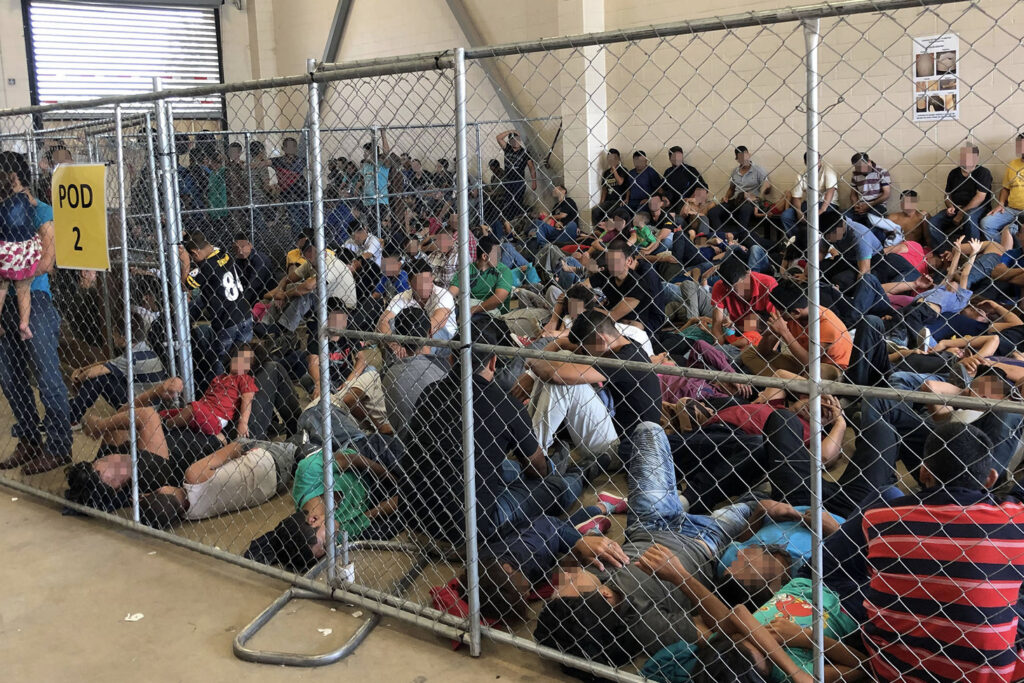
Independent experts in correctional healthcare routinely evaluate detention environments for conditions that threaten detainee well-being—overcrowding, inadequate medical attention, deficient hygiene and sanitation, environmental hazards, and related systemic failures. These reviews consistently demonstrate that deviations from established national standards produce preventable illness, injury, and death. The U.S. Immigration and Customs Enforcement (ICE) Performance-Based National Detention Standards 2011 (revised 2016) provide a clear, comprehensive framework designed precisely to mitigate these risks through performance-based requirements for health, safety, and humane conditions of confinement.
The PBNDS 2011 (rev. 2016) were developed as part of broader detention reform to ensure that immigration detention remains non-punitive, meets constitutional requirements for the treatment of civil detainees, and delivers sound conditions of care. The standards explicitly prioritize improved medical and mental health services, environmental health, hygiene, and safe living environments. Compliance is not optional; it is the operational baseline for preventing significant morbidity and mortality.
Environmental Health, Sanitation, and Hygiene: Foundations of Disease Prevention
Standard 1.2 (Environmental Health and Safety) requires facilities to protect detainees, staff, and visitors from injury and illness by maintaining high standards of cleanliness, sanitation, safe work practices, and control of hazardous substances. Facilities must operate in accordance with applicable federal laws and regulations from OSHA, the EPA, the FDA, the CDC, and the NFPA. This includes written hazardous-communication programs, Safety Data Sheets, proper storage and inventory of chemicals, personal protective equipment, emergency response plans, pest and vermin control, potable water certification, fire prevention and control, and rigorous housekeeping protocols.
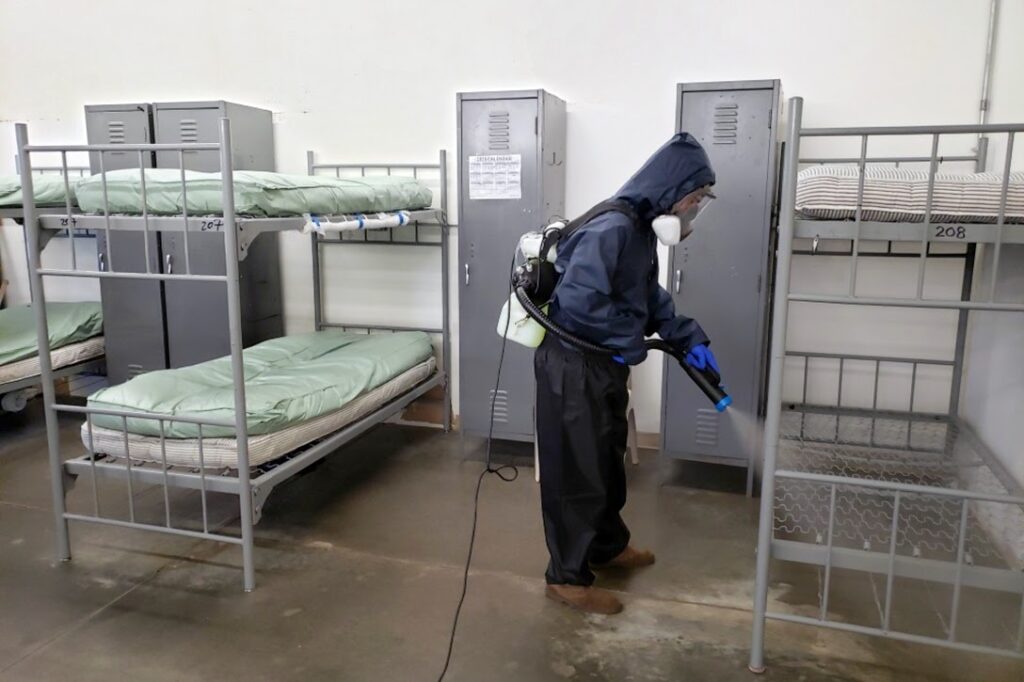
Daily and periodic cleaning with germicidal solutions, proper handling of blood and body-fluid spills under universal precautions, safe disposal of medical and infectious waste, and sanitation of barber operations and medical areas are mandated to reduce nosocomial infections and disease transmission. Standard 4.5 (Personal Hygiene) further requires the regular issuance and exchange of clean clothing, bedding, linens, and towels, along with basic hygiene items (soap, toothpaste, shampoo, deodorant, feminine hygiene products, etc.) at no cost to the detainee. These provisions directly address the hygiene deficits that drive skin infections, respiratory illness, gastrointestinal disease, and other preventable conditions commonly identified in facility reviews.
Failure to maintain these standards creates environments conducive to outbreaks and chronic health deterioration. Expert reviews of detention spaces frequently document how inadequate sanitation, pest infestations, contaminated water, or insufficient hygiene supplies translate into elevated rates of infection and secondary complications—outcomes the PBNDS were explicitly written to prevent.
Medical Care and Timely Attention: Interrupting Pathways to Serious Harm
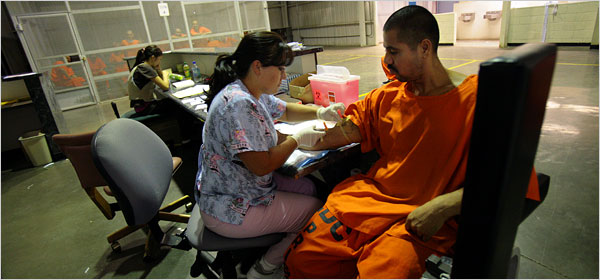
Standard 4.3 (Medical Care) requires that every detainee have access to appropriate medical, dental, and mental health care, including emergency services, at no cost. Facilities must provide initial medical, mental health, and dental screening (generally within 12 hours of arrival), comprehensive health assessments (within 14 days), sick-call processes with triage within 24 hours, 24-hour emergency capability, medication delivery, chronic care management, and continuum of care upon transfer or release. Specialized standards address women’s medical care (4.4), hunger strikes (4.2), significant self-harm and suicide prevention (4.6), terminal illness and death (4.7), and disability identification and accommodation (4.8).
These requirements ensure early identification of acute and chronic conditions, prompt intervention, and continuity of treatment. When facilities fall short—delayed screenings, inadequate staffing, barriers to sick call, incomplete chronic-care plans, or failures in suicide-prevention protocols—the result is measurable excess morbidity (worsening chronic disease, untreated infections, mental-health decompensation) and, in the most serious cases, mortality. Standard 4.7 and related notification provisions further require immediate reporting of deaths and serious illness, enabling timely investigation and systemic learning.
Correctional healthcare experts conducting space and operations reviews routinely observe that gaps in these medical standards convert manageable conditions into life-threatening ones. Strict adherence interrupts that progression.
Overcrowding, Space Management, and Living Conditions
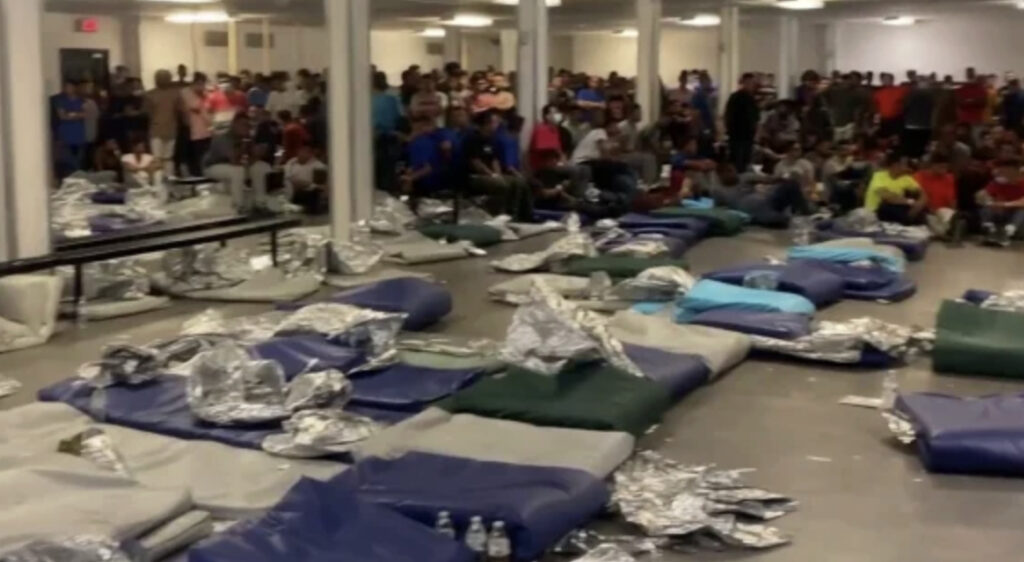
While the PBNDS do not prescribe rigid square-footage minima for all housing units in the same manner as some correctional accreditation standards, they embed population management requirements that prevent the health consequences of overcrowding. The custody classification system (Standard 2.2) mandates individualized assessments that place detainees in the least restrictive housing consistent with safety and security, with special attention to vulnerabilities (serious medical or mental illness, disability, age, pregnancy, risk of victimization). Hold-room standards (2.6) specify minimum unencumbered space (37 square feet for single occupancy, additional space for multiple occupants) and prohibit prolonged confinement. Environmental health standards require appropriate temperature, ventilation, lighting, and living-space conditions.
When facilities exceed safe capacity, classification decisions become compromised, sanitation and hygiene systems are strained, medical access is delayed, and stress-related illness and interpersonal violence increase. Expert reviews of detention spaces repeatedly link these capacity pressures to elevated rates of infectious disease transmission, mental-health crises, and inadequate medical response—precisely the outcomes the PBNDS seek to avert through disciplined population management and least-restrictive housing principles.
The Direct Link Between Standards Compliance and Reduced Harm
The PBNDS 2011 (rev. 2016) rest on a performance-based philosophy: facilities must not only adopt policies but demonstrate outcomes that protect health and safety. Non-compliance in any of the core domains—environmental sanitation, personal hygiene, medical access and quality, suicide prevention, or population management—creates cascading risks. Poor hygiene and overcrowding amplify infectious disease; delayed or inadequate medical attention allows treatable conditions to become life-threatening; environmental hazards produce injuries and toxic exposures; failures in mental-health protocols contribute to self-harm and suicide.
Independent reviews by correctional healthcare experts exist to identify these deviations before they produce irreversible harm. The standards themselves supply the objective criteria against which conditions, practices, and outcomes must be measured. When facilities fully implement the requirements of Standards 1.2, 4.1–4.8, 2.2, and related provisions, the evidence base shows reduced preventable morbidity and mortality. When they do not, the human cost is documented in illness, injury, and death investigations.

A Clear Imperative for Facilities and Oversight
Detention operators, contractors, and oversight bodies share responsibility for ensuring that the PBNDS 2011 (revised 2016) are not merely referenced but operationalized. This includes continuous self-auditing, timely corrective action, staff training, adequate resourcing of medical and environmental health functions, and transparent reporting of significant incidents. For external reviewers specializing in correctional healthcare, the standards provide both the diagnostic framework and the preventive prescription.
Adherence to these national standards is the most reliable means of safeguarding detainee health. Deviations carry foreseeable consequences measured in excess disease, disability, and death. Expert evaluation of detention spaces must therefore center on rigorous comparison of actual conditions against the PBNDS requirements—because lives depend on closing the gap between written standards and lived reality.
You may also like
-
Rising Deaths in ICE Detention: Record Toll Sparks Alarm Over Medical Care and Conditions
-
Beyond the Incident: Improving Correctional Health Care Through In-Custody Death Reviews
-
Turning DCRA Compliance into Real Prevention: Why Agencies Choose Vertex Medical Review for In-Custody Death Solutions
-
The Scale and Nature of Detention Space Problems
-
Timely and Comprehensive Data Is Essential for Investigating Detainee Deaths: Lessons from the ICE National Detention Standards