
Every in-custody death is a tragedy. It also presents an opportunity for correctional systems to examine what happened, identify opportunities for improvement, and strengthen practices that can help prevent future deaths.
Thousands of people die in U.S. jails and prisons each year. Bureau of Justice Statistics data show roughly 4,000–4,200 deaths in state and federal prisons annually in recent years (for example, 4,234 in 2019) and about 1,200 deaths in local jails in 2019, with mortality rates that have risen in some periods. Leading causes include illness (particularly heart disease and cancer), suicide, and drug- or alcohol-related events. Many of these deaths—especially among younger individuals—involve factors that systems-level improvements can mitigate.
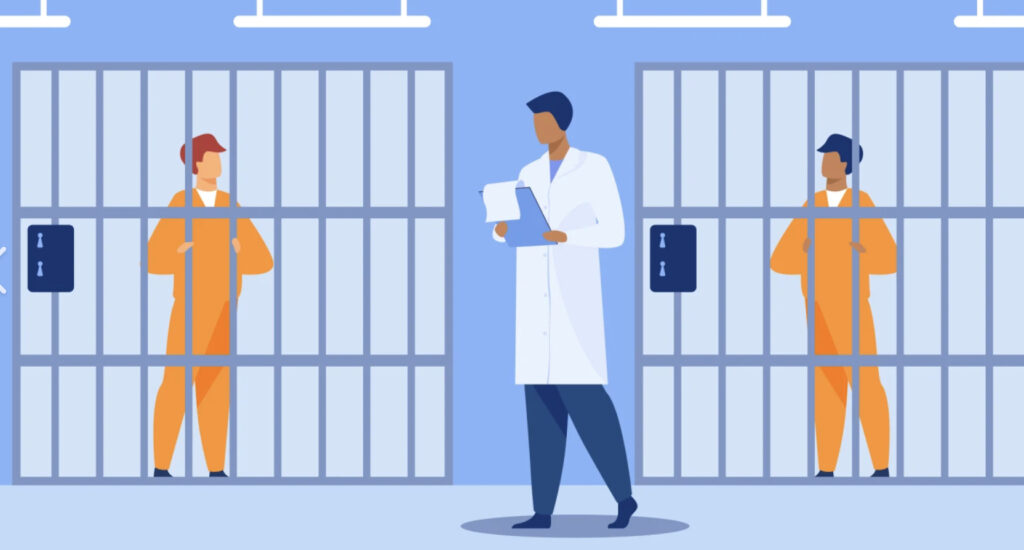
Independent, structured reviews turn individual tragedies into systemic learning. Vertex Medical Review provides independent, expert in-custody death reviews for correctional facilities, health care providers, and government oversight agencies. Our multidisciplinary team conducts objective assessments designed to determine root causes, identify systems and individual errors, and recommend practical corrective actions that improve patient safety and operational performance.
The purpose of an in-custody death review is not simply to determine what happened; it’s to understand why it happened and identify meaningful opportunities for improvement. By taking an objective, systems-based approach, Vertex Medical Review help strengthen clinical practices, improve collaboration, and reduce the risk of similar events in the future.
This approach aligns with longstanding professional standards. The National Commission on Correctional Health Care (NCCHC) requires thorough reviews of all deaths in custody—administrative, clinical mortality, and (when applicable) psychological autopsy—to evaluate the appropriateness of care, identify needed policy or practice changes, and drive continuous quality improvement.
Driving Continuous Quality Improvement
The true value of an in-custody death review lies in how organizations use the findings to improve their systems.
During a recent annual review for a correctional facility, we found that the facility medical team had successfully implemented recommendations from previous assessments, including enhancements to withdrawal treatment and hydration protocols, changes to intake staffing, and improved placement of emergency equipment.
The review also identified additional opportunities to strengthen operations, including:
- Standardizing emergency equipment inventories and daily readiness checks
- Reinforcing medication administration procedures to reduce the risk of medication diversion
- Strengthening mouth-check protocols during medication administration
- Improving quality assurance processes through regular equipment audits
- Enhancing intake screening and documentation practices
- Reinforcing collaboration between custody and health care staff during medication distribution
These recommendations are practical, measurable, and designed to help facilities continuously improve both patient care and operational readiness. Below are evidence-based rationales and real-world solutions for each area.
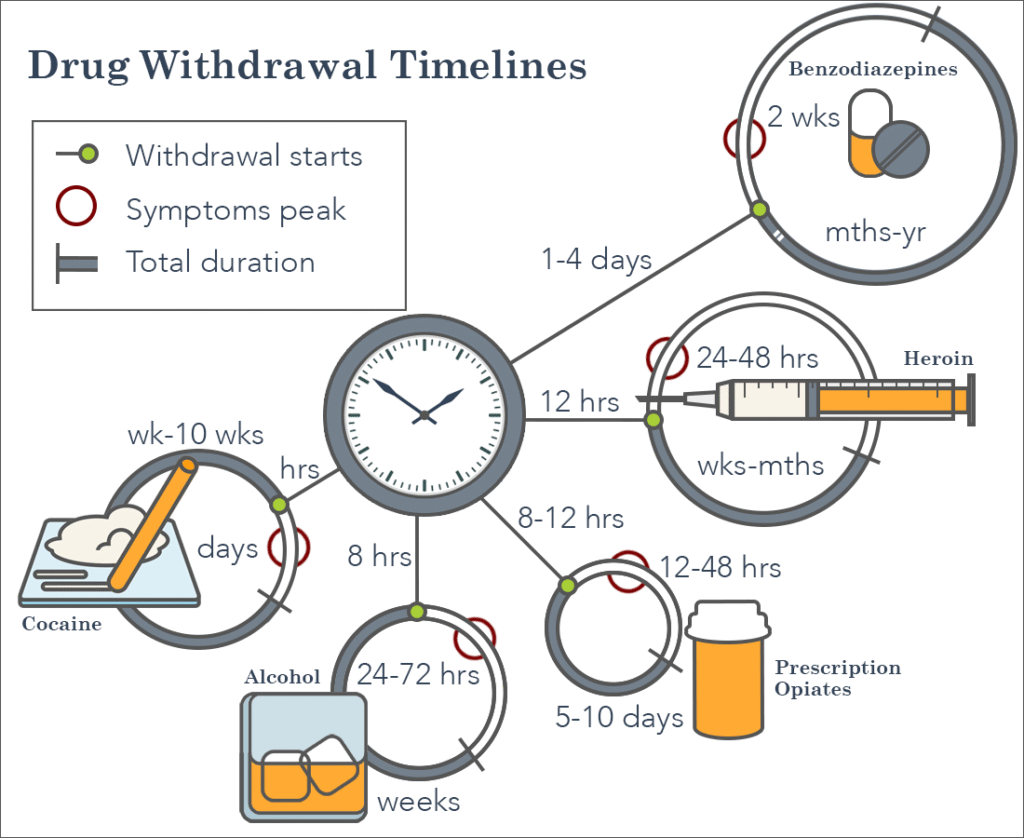
1. Withdrawal Treatment, Hydration Protocols, and Related Intake Improvements
Alcohol and opioid withdrawal remain significant contributors to preventable in-custody deaths. Studies indicate alcohol is involved in a high proportion of withdrawal-related jail deaths, and unmanaged opioid withdrawal increases risks of complications, self-harm, and later overdose. Evidence-based tools such as the Clinical Institute Withdrawal Assessment for Alcohol (CIWA-Ar) and Clinical Opiate Withdrawal Scale (COWS), combined with appropriate pharmacotherapy (including medications for opioid use disorder when indicated), substantially reduce harm. Hydration protocols address common dehydration risks during withdrawal.
Real-world solutions: Implement standardized, facility-specific withdrawal management protocols that begin at intake with universal screening for substance use. Train both health and custody staff on recognition of withdrawal signs. Ensure continuous monitoring with validated scales, ready access to medications, and clear escalation pathways. Facilities that have adopted comprehensive medication-assisted treatment and withdrawal protocols have documented reductions in post-release overdose mortality and improved in-custody safety. Regular audits of protocol adherence close the loop.
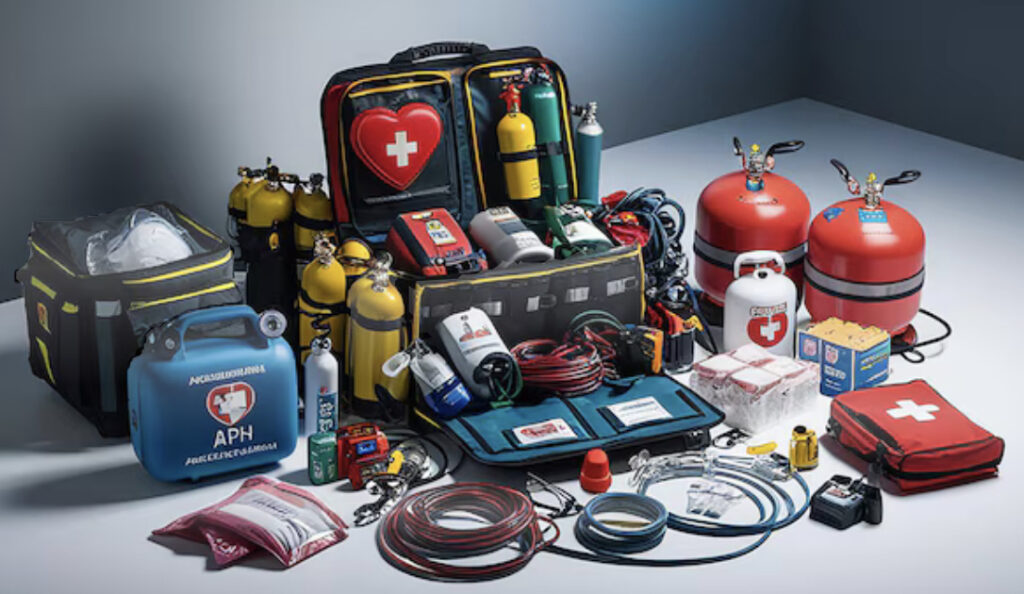
2. Standardizing Emergency Equipment Inventories, Daily Readiness Checks, and Quality Assurance Audits
Timely response to medical emergencies depends on functional, fully stocked equipment being immediately available. Failures in equipment readiness have been identified in mortality reviews as contributing factors to delayed care.
Real-world solutions: Maintain standardized inventories for emergency bags/carts (including airway management, defibrillators, naloxone, epinephrine, and related supplies). Require documented daily or per-shift readiness checks by designated staff, with seals or checklists to verify completeness and function. Conduct regular quality-assurance audits (weekly or monthly) and after every use. Practice emergency response drills that include equipment deployment, then critique performance. These steps mirror best practices in critical care and correctional emergency planning and reduce the chance that a needed item is missing or non-functional during a crisis.
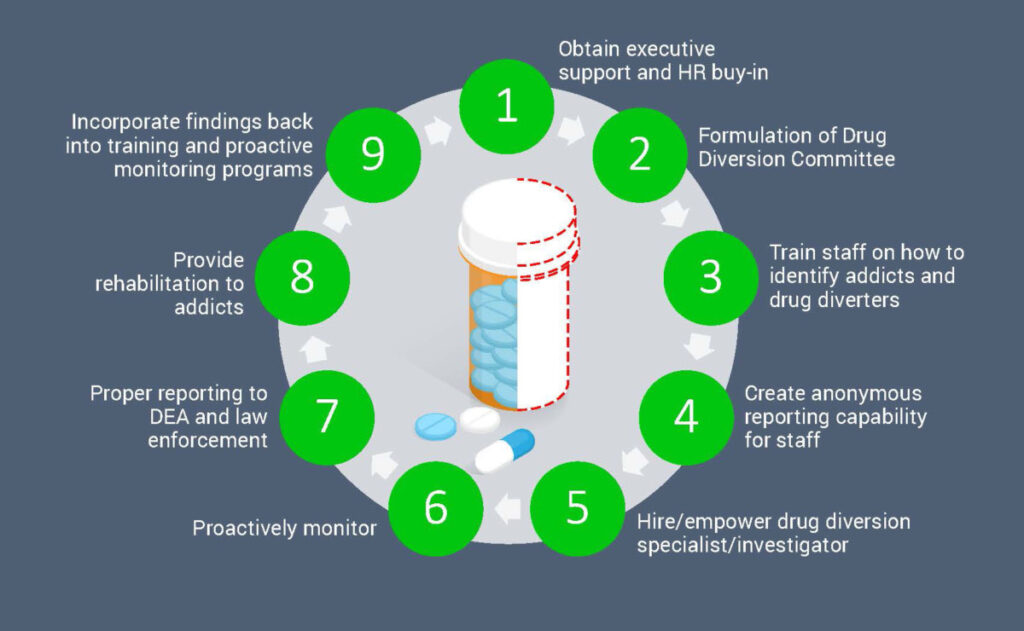
3. Medication Administration, Mouth-Check Protocols, and Diversion Prevention
Medication diversion (“cheeking” or other concealment) undermines treatment, creates safety risks, and can contribute to overdoses or untreated conditions. This is especially relevant for sublingual or film formulations used in opioid use disorder treatment.
Real-world solutions: Adopt dual observation protocols—health staff administer medication while custody staff assist with security and observation. Require thorough pre- and post-administration mouth checks (patient opens mouth, lifts tongue, rolls lips; staff use light if needed). Enforce observation periods until medication dissolves, restrict hand-to-mouth contact, and require water swallow afterward. Maintain adequate staffing ratios during medication passes and train both disciplines jointly. Document all checks and any diversion attempts. These practices are standard in successful jail-based medication-for-opioid-use-disorder programs and have been shown to reduce diversion incidents when consistently applied.

4. Enhancing Intake Screening and Documentation
The first hours and days of custody are high-risk. Incomplete screening misses withdrawal risk, acute medical needs, mental health crises, or suicide risk—factors linked to a substantial share of early deaths.
Real-world solutions: Use standardized, evidence-informed receiving screening forms that capture substance use history, current symptoms, mental health indicators, and chronic conditions. Ensure trained staff (ideally health professionals) complete screening promptly, with clear referral pathways for urgent/emergent findings. Improve documentation completeness and accessibility so subsequent providers and custody staff have accurate information. Pair screening improvements with adequate intake staffing levels. Universal, high-quality screening is repeatedly cited as foundational to reducing preventable harm.
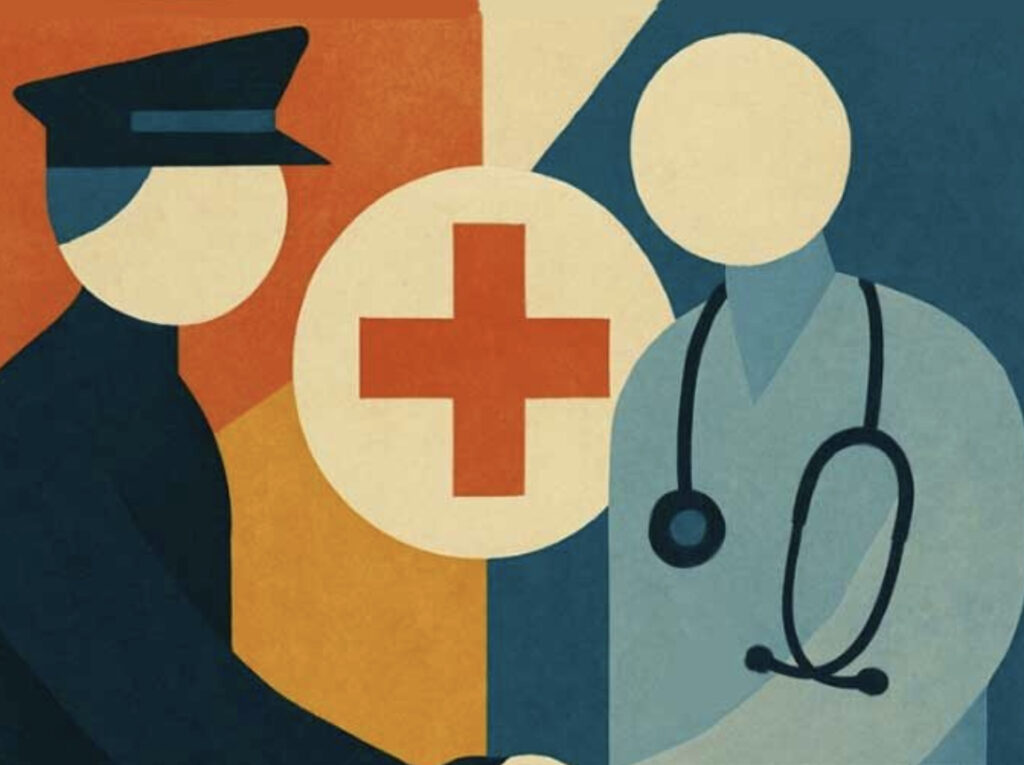
5. Reinforcing Collaboration Between Custody and Health Care Staff
Siloed operations create communication gaps that delay care or undermine security during medication distribution and emergency response.
Real-world solutions: Conduct joint training on withdrawal recognition, medication protocols, emergency response, and non-stigmatizing language. Establish clear roles during medication passes and emergencies. Create formal communication channels (shared briefings, electronic alerts for housing changes) and multidisciplinary quality-improvement committees that review near-misses and deaths. Facilities that strengthen interdisciplinary teamwork report better adherence to protocols and safer environments.

Supporting Safer Correctional Systems
Independent in-custody death reviews provide more than answers—they provide a roadmap for improvement.
By combining clinical expertise with an understanding of correctional operations, Vertex Medical Review helps agencies identify systemic issues, strengthen policies and procedures, and foster a culture of continuous quality improvement. The result is a safer environment for incarcerated patients, correctional staff, and the communities they serve.
Whether supporting a single investigation or conducting ongoing annual reviews, Vertex Medical Review delivers the objective expertise organizations need to learn from difficult events and build stronger, more resilient correctional health care systems and detention centers.
Facilities that treat every death as a catalyst for measurable change—implementing standardized protocols, rigorous checks, robust screening, diversion safeguards, and genuine collaboration—demonstrate that progress is possible. The evidence is clear: systematic review and evidence-based action save lives.
You may also like
-
Rising Deaths in ICE Detention: Record Toll Sparks Alarm Over Medical Care and Conditions
-
Turning DCRA Compliance into Real Prevention: Why Agencies Choose Vertex Medical Review for In-Custody Death Solutions
-
Adherence to ICE’s Performance-Based National Detention Standards Is Essential to Preventing Morbidity and Mortality in Detention Facilities
-
The Scale and Nature of Detention Space Problems
-
Timely and Comprehensive Data Is Essential for Investigating Detainee Deaths: Lessons from the ICE National Detention Standards