
The U.S. confines nearly 2 million people across roughly 1,566 state prisons, 98 federal prisons, more than 3,000 local jails, juvenile facilities, and about 133 immigration detention centers, among others, at an annual system-wide cost exceeding $182 billion. Prison populations, which had declined during the COVID-19 period, began rising again—increasing about 2% in both 2022 and 2023—while local jails see millions of admissions yearly (over 7 million in recent data). Immigration and Customs Enforcement (ICE) detention has expanded rapidly in periods of heightened enforcement, frequently pushing facilities beyond contractual or operational capacity.
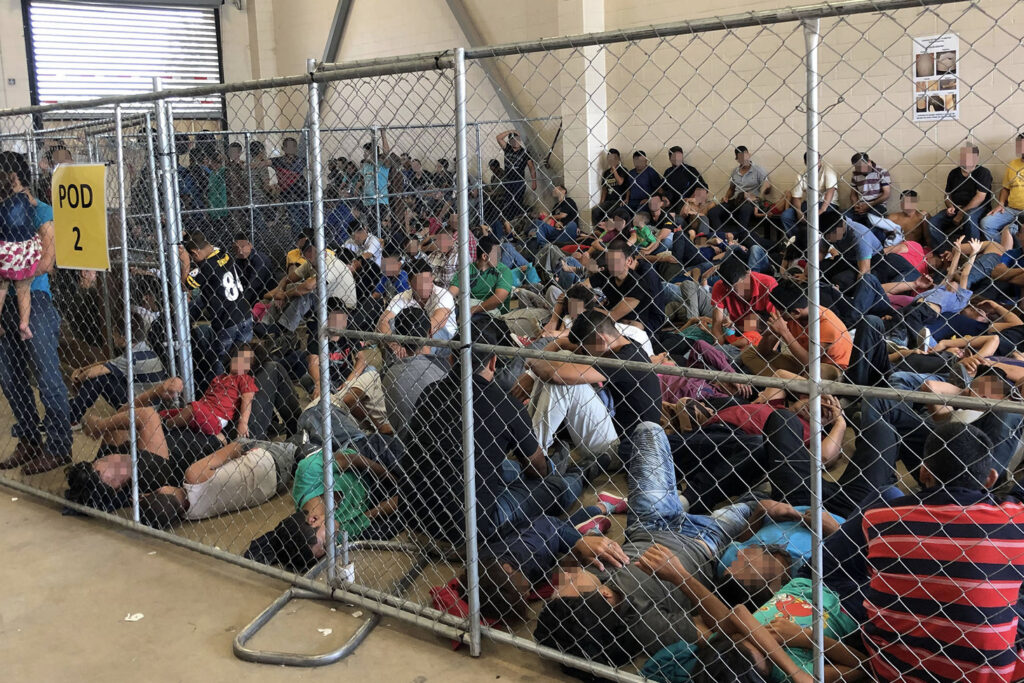
Overcrowding is not merely a numbers problem. Globally and in the U.S., it stems more from criminal justice and immigration policies—such as high pretrial detention rates, lengthy sentences for nonviolent offenses, mandatory minimums, and rapid expansions in enforcement—than from crime trends alone. Facilities often operate at or above 90–100% of rated capacity; in extreme cases, some systems exceed double capacity. Detainees may spend up to 23 hours a day in cells lacking minimum space standards recommended by international guidelines, with people sleeping in shifts, on floors, sharing beds, or even standing while secured to fixtures.
Consequences for Conditions, Health, Safety, and Operations
Inadequate detention space produces cascading failures:
- Basic needs and living conditions: Insufficient toilets, sanitation, clean water, adequate clothing, nutrition, and ventilation. Reports from immigration facilities describe undercooked food, repurposed bottles as shower heads, extreme temperatures, and cells holding far more people than designed (e.g., 80–100 in spaces meant for 60).
- Health impacts: Overcrowding independently correlates with higher rates of tuberculosis, COVID-19 transmission, self-harm, depression, and overall mortality. It strains medical and mental health services already limited by staffing shortages. Illness (especially heart disease and cancer), suicide, and drug- or alcohol-related events remain leading causes of the roughly 4,000–4,200 annual deaths in state and federal prisons and about 1,200 in local jails in recent benchmark years. Jail mortality rose in the 2000–2019 period; intoxication deaths in jails increased nearly 400% from 2000–2018. Many deaths, particularly among younger people, involve mitigable factors tied to intake screening, withdrawal protocols, monitoring, and emergency response.
- Safety and violence: Heightened tension increases assaults among detainees and against staff, self-harm, and suicide. Staffing shortages compound risks, leaving individuals unmonitored.
- Rehabilitation and management: Limited access to education, vocational programs, and treatment raises recidivism. Operational strain elevates costs, staff turnover, and the likelihood of court findings that conditions are unconstitutional.
- Disproportionate effects: Vulnerable groups—people with mental illness or substance use disorders, older adults, women, children, and those in immigration detention—experience amplified harms. Racial disparities in incarceration rates further concentrate these burdens.
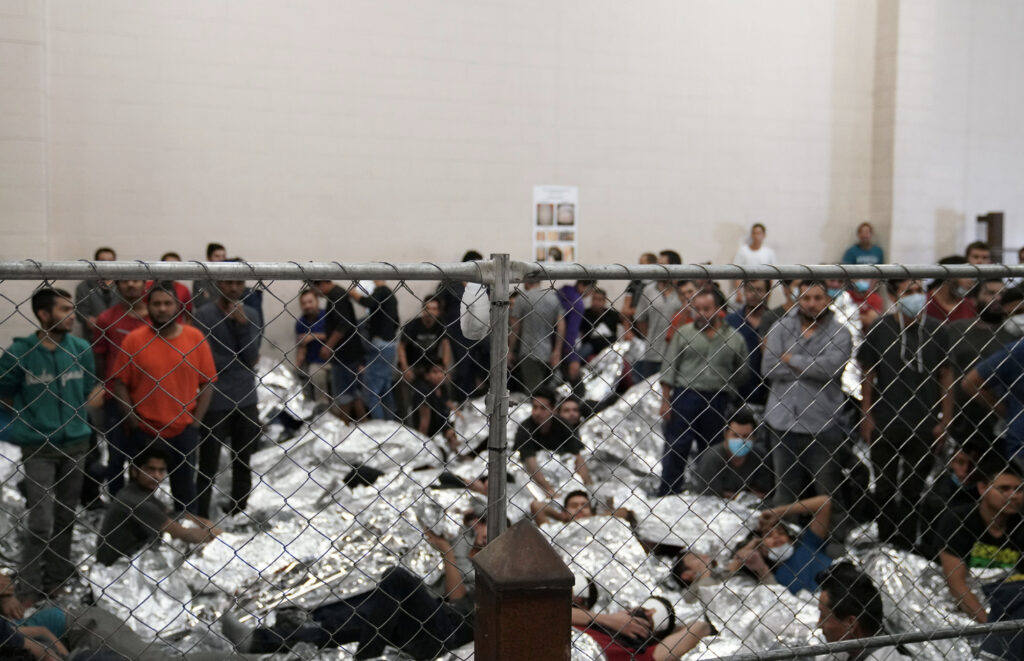
In immigration detention specifically, rapid population surges have produced documented overcrowding, substandard medical care, hygiene failures, and rising deaths—making some recent periods among the deadliest on record—while oversight capacity has sometimes lagged behind expansion.These space-related problems are not isolated incidents; they reflect systemic underinvestment in alternatives to detention, non-custodial options, and facility infrastructure matched to actual demand.
The Critical Need for Independent Detention Space and Facility Reviews
Internal reviews by facility operators or government agencies, while necessary, often suffer from conflicts of interest, incomplete documentation, limited scope (e.g., focusing only on certain death causes while overlooking natural-cause or systems failures), and insufficient independence. Department of Justice guidance stresses that in-custody deaths—and by extension the conditions contributing to them—demand impartial, thorough, and prompt investigations to determine root causes, protect remaining detainees, inform families, identify patterns, and prevent recurrence. Independence in both reality and appearance builds public trust and legitimacy.
Vertex Medical Review specializes in correctional and detention reviews in order to fill these gaps through multidisciplinary teams that combine clinical, operational, and systems expertise. We conduct objective assessments of physical space utilization, capacity compliance, environmental conditions, staffing ratios, health care delivery, emergency protocols, and policy adherence. For deaths in custody, structured reviews (administrative, clinical mortality, and psychological autopsy where relevant) evaluate the appropriateness of care and identify both individual and systems-level errors.
Our reviews transform individual tragedies into systemic learning. We recommend concrete corrective actions—improving intake screening and documentation, medication administration and diversion prevention, emergency equipment placement and audits, withdrawal and hydration protocols, custody-health care collaboration, and quality-assurance processes. The National Commission on Correctional Health Care (NCCHC) standards explicitly require thorough death reviews to drive continuous quality improvement; independent firms aligned with these standards deliver unbiased implementation support.
Broader facility or “detention space” reviews examine whether physical layouts, occupancy levels, and operational practices meet safety, sanitation, and human-rights benchmarks. External expertise from Vertex Medical Review is particularly valuable amid rapid population changes (as seen in immigration detention expansions) or chronic overcrowding, where internal incentives may favor short-term management over long-term redesign or policy shifts toward alternatives to incarceration.
Without independent scrutiny, overcrowding and substandard space persist, elevating preventable mortality, litigation risk, operational costs, and erosion of public confidence. Independent reviews from Vertex Medical Review provide the objective roadmap needed to strengthen practices, reduce future harms, and move correctional and detention systems toward safer, more effective, and more humane operations for detainees, staff, and the communities they ultimately rejoin.
You may also like
-
Rising Deaths in ICE Detention: Record Toll Sparks Alarm Over Medical Care and Conditions
-
Beyond the Incident: Improving Correctional Health Care Through In-Custody Death Reviews
-
Turning DCRA Compliance into Real Prevention: Why Agencies Choose Vertex Medical Review for In-Custody Death Solutions
-
Adherence to ICE’s Performance-Based National Detention Standards Is Essential to Preventing Morbidity and Mortality in Detention Facilities
-
Timely and Comprehensive Data Is Essential for Investigating Detainee Deaths: Lessons from the ICE National Detention Standards