The Death in Custody Reporting Act (DCRA; Public Law 113-242) requires states that receive Edward Byrne Memorial Justice Assistance Grant (JAG) funding to report detailed information on every death of a person who is detained, under arrest, in the process of being arrested, en route to incarceration, or incarcerated in a municipal or county jail, state prison, boot camp, contracted facility, juvenile facility, or other local or state correctional setting.
Since fiscal year 2020, the Bureau of Justice Assistance (BJA) has collected these records through the Performance Measurement Tool from State Administering Agencies. The data currently cover FY 2020 through FY 2024 submissions (as of May 2025).
Yet reporting is far from straightforward. Each state operates under its own laws, policies, and procedures. Accurate collection depends on seamless collaboration and data sharing among prisons, jails, sheriff’s offices, police departments, and other justice agencies. BJA reviews submissions and offers technical assistance to close gaps, but it openly acknowledges ongoing challenges that affect the accuracy and completeness of the national picture.

Reporting a death is only the starting point. Preventing the next one requires deeper insight.
This is exactly where independent, expert consulting delivers measurable value. Vertex Medical Review specializes in real-world solutions for in-custody deaths. Our multidisciplinary team conducts objective death reviews that go far beyond basic reporting requirements. We determine root causes, uncover systems and process failures, and provide practical, evidence-based recommendations that strengthen clinical care, operational readiness, and inter-agency collaboration.

Why Agencies Hire Vertex Medical Review
- We turn mandatory reporting into continuous improvement. DCRA focuses on counting deaths. Our reviews focus on understanding why they occurred and how to stop similar events—directly supporting stronger internal policies that also improve the quality of data states submit to BJA.
- We address the collaboration gaps BJA identifies. Many reporting shortfalls stem from fragmented communication between custody, health care, and law-enforcement partners. Our systems-based assessments and joint recommendations help facilities build the coordination needed for both accurate reporting and safer daily operations.
- We deliver actionable, facility-specific solutions. Clients receive clear, measurable steps such as standardized emergency-equipment checks, reinforced medication-administration and mouth-check protocols, enhanced intake screening, improved withdrawal-management practices, and stronger custody–health care teamwork during critical processes.
- We bring proven objectivity and expertise. As an independent consultant, we provide unbiased analysis free from internal pressures. Facilities and oversight agencies gain credible findings they can use for internal quality improvement, risk reduction, and response to external scrutiny.
- We support both single-case investigations and ongoing annual reviews. Whether you need help after a specific incident or a structured program of continuous review, our consulting produces roadmaps that reduce risk for patients, staff, and the communities you serve.
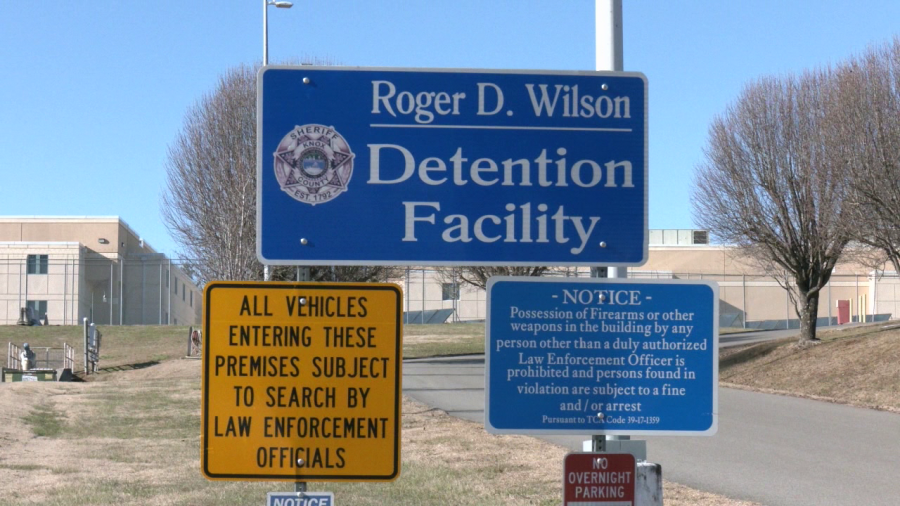
In short, DCRA creates a national reporting obligation—and exposes the very real gaps in data completeness and prevention. Vertex Medical Review fills those gaps with independent expertise, practical tools, and evidence-based outcomes that protect lives while helping agencies meet their compliance responsibilities with greater accuracy and confidence.
When the stakes are this high, agencies choose partners who move beyond counting deaths to actively preventing them. Contact Vertex Medical Review today to learn how our consulting services can strengthen your systems, close reporting gaps, and build safer correctional health care.
You may also like
-
Rising Deaths in ICE Detention: Record Toll Sparks Alarm Over Medical Care and Conditions
-
Beyond the Incident: Improving Correctional Health Care Through In-Custody Death Reviews
-
Adherence to ICE’s Performance-Based National Detention Standards Is Essential to Preventing Morbidity and Mortality in Detention Facilities
-
The Scale and Nature of Detention Space Problems
-
Timely and Comprehensive Data Is Essential for Investigating Detainee Deaths: Lessons from the ICE National Detention Standards